Anyone can learn to code, but not everyone can become a developer.
Posted: Jan. 03, 2026
In the last decade, coding has become more accessible than ever. Free tutorials, bootcamps, online courses, and AI tools have lowered the barrier to entry dramatically. Today, almost anyone can write code.
But writing code is not the same thing as being a developer.
This distinction isn’t about elitism or gatekeeping—it’s about understanding what the role actually demands.
Coding Is a Skill. Development Is a Discipline.
Coding is the act of writing instructions that a computer can execute. You can learn syntax, copy examples, follow tutorials, and build simple applications relatively quickly.
Development, on the other hand, is the practice of solving real-world problems with software.
A developer doesn’t just ask:
“How do I make this work?”
They ask:
- Why should this exist?
- Who is it for?
- How will it scale?
- What happens when it breaks?
- How do other developers understand and maintain this?
Code is a tool. Development is the craft of using that tool responsibly and effectively.
Tutorials End. Responsibility Begins.
Many people get stuck in “tutorial mode.” They can follow steps flawlessly, but struggle when the instructions disappear.
A developer operates without a script.
They:
- Debug unfamiliar issues
- Read documentation instead of waiting for answers
- Make trade-offs between performance, readability, and deadlines
- Accept that there is rarely a single “correct” solution
Being a developer means being comfortable with uncertainty—and working through it anyway.
Developers Think in Systems, Not Just Lines of Code
Anyone can write a function. A developer considers the system that function lives in.
They think about:
- Architecture and structure
- Data flow and state
- Edge cases and failure modes
- Security, performance, and maintainability
Good developers write code for humans first and machines second. They know that the real challenge isn’t getting the code to run—it’s getting it to last.
The Real Skill Is Problem Solving
Languages change. Frameworks rise and fall. Tools evolve constantly.
Problem-solving doesn’t.
Developers break vague ideas into concrete steps. They translate business needs into technical solutions. They communicate with non-technical stakeholders and other engineers alike.
Coding is something you do. Development is how you think.
Not Everyone Wants to Be a Developer—and That’s Okay
There is nothing wrong with learning to code for fun, automation, creativity, or curiosity. In fact, coding literacy is becoming as valuable as basic math or writing.
But being a developer is a profession that requires:
- Patience
- Continuous learning
- Accountability for long-term outcomes
- A willingness to own problems, not just solutions
Not everyone enjoys that—and not everyone needs to.
Anyone can code.
Not everyone wants—or needs—to be a developer.
And that’s perfectly fine.
But if you aspire to be one, understand that the journey goes far beyond syntax. It’s about mindset, responsibility, and the ability to build things that matter—even when the answers aren’t obvious.
That’s the difference.
Need help learning?
Do you need help learning how to code? let us help you today!
Read more!
 @alxlynnhd
What is OpenClaw?
Artificial intelligence is rapidly evolving from simple chatbots into autonomous systems that can…
Topic: Tech
@alxlynnhd
Why Promises Can't Be Stopped in JavaScript
JavaScript developers often ask a simple but surprisingly deep question: why can’t you stop a…
Topic: Tech
@alxlynnhd
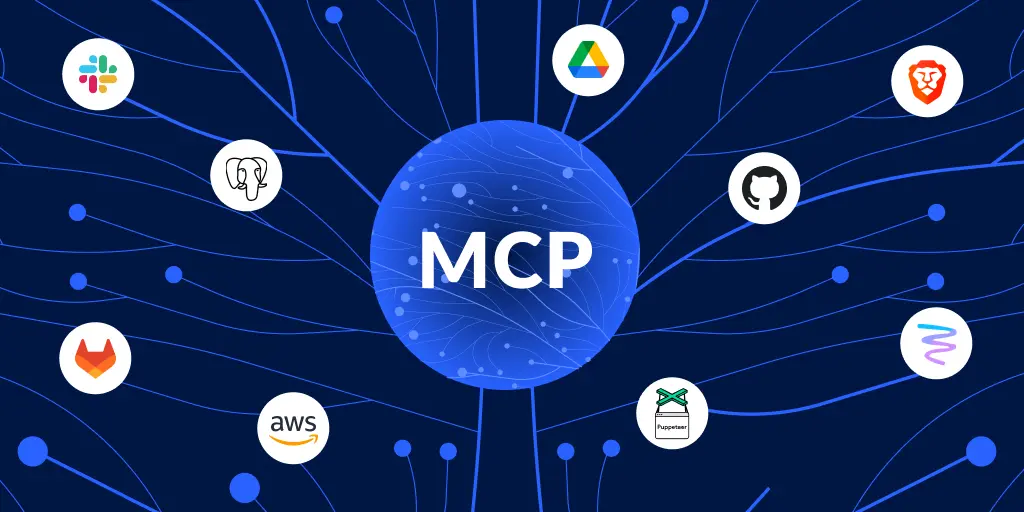
Getting Started with MCP
The term MCP can mean different things depending on context, but in today’s tech landscape it most…
Topic: Tech
@alxlynnhd

How to Use Old RAM in Light of Recent Price Hikes
With RAM prices climbing again due to supply chain issues, increased demand, and new-generation…
Topic: Tech
@alxlynnhd

Why YouTube is an Ideal Resource for Learning Japanese
Learning Japanese can feel like a daunting challenge — three writing systems, unfamiliar grammar…
Topic: Tech
@alxlynnhd
How to write scalable and excellent code
Writing code that works is easy. Writing scalable, maintainable, and excellent code is the real…
Topic: Tech