Why YouTube is an Ideal Resource for Learning Japanese
Posted: Feb. 06, 2026
Learning Japanese can feel like a daunting challenge — three writing systems, unfamiliar grammar structures, and cultural nuances that go far beyond vocabulary. Fortunately, YouTube has emerged as one of the most powerful and accessible tools for language learners. Whether you’re a complete beginner or an advanced student refining your fluency, YouTube offers an unmatched blend of education, immersion, and entertainment.
Here’s why YouTube is an ideal resource for learning Japanese.
1. Free and Easily Accessible
One of YouTube’s greatest strengths is that it’s completely free and available almost anywhere. All you need is an internet connection, and you instantly gain access to thousands of hours of Japanese learning content. This removes financial barriers and makes language learning available to anyone, anytime.
You can learn on your phone during a commute, on your laptop at home, or on a tablet while relaxing — making it easy to stay consistent.
2. Massive Variety of Learning Content
YouTube hosts an enormous range of Japanese learning channels, covering every level and learning style. You can find:
- Beginner-friendly grammar explanations
- Pronunciation and accent training
- Vocabulary lessons
- JLPT exam preparation
- Kanji breakdowns and memory techniques
- Listening practice with native speakers
This variety allows you to customize your learning experience based on your goals, pace, and interests.
3. Real-Life Listening Practice
One of the hardest parts of learning Japanese is understanding natural speech. YouTube gives you direct exposure to how Japanese is actually spoken in real-life situations.
By watching:
- Vlogs
- Interviews
- Anime discussions
- Street interviews
- Cooking and lifestyle videos
You train your ears to recognize authentic pronunciation, rhythm, and tone. This kind of immersion is essential for developing strong listening comprehension.
4. Learn Culture Alongside Language
Language and culture are deeply connected, and YouTube excels at blending both. Through travel videos, daily-life vlogs, food tours, and cultural explanations, learners gain insight into:
- Social etiquette
- Daily routines
- Japanese humor
- Traditions and festivals
- Workplace and school culture
Understanding these elements helps learners communicate more naturally and respectfully.
5. Visual Learning Enhances Memory
Many YouTube creators use animations, subtitles, diagrams, and on-screen examples to explain complex grammar points. Visual aids make learning easier, especially for visual learners, and help reinforce memory retention.
Seeing kanji written stroke-by-stroke or grammar patterns displayed on screen significantly improves comprehension and recall.
6. Learn at Your Own Pace
Unlike traditional classes, YouTube lets you pause, rewind, replay, and slow down videos. This flexibility allows learners to:
- Review difficult concepts
- Practice pronunciation repeatedly
- Take detailed notes
- Learn without pressure
This self-paced approach builds confidence and reduces learning anxiety.
7. Community Support and Motivation
Many Japanese learning channels foster active communities through comments, live streams, and social media. Engaging with fellow learners provides encouragement, accountability, and motivation.
Seeing others succeed — especially those who started from zero — can be incredibly inspiring and keeps learners committed to long-term progress.
8. Endless Immersion Opportunities
Beyond structured lessons, YouTube offers unlimited immersion through native Japanese content. From gaming streams and documentaries to cooking tutorials and music videos, learners can surround themselves with the language in enjoyable ways.
This constant exposure strengthens comprehension and helps develop natural language instincts.
YouTube combines accessibility, flexibility, cultural insight, and immersive learning into one powerful platform. Its vast collection of Japanese learning content makes it possible to study anywhere, anytime, and at any level.
Whether you’re memorizing your first hiragana characters or polishing your conversational fluency, YouTube can serve as a dynamic and effective companion on your Japanese learning journey.
With consistency, curiosity, and the right channels, YouTube can help transform Japanese from an intimidating challenge into an exciting adventure.
Read more!
 @alxlynnhd

What is OpenClaw?
Artificial intelligence is rapidly evolving from simple chatbots into autonomous systems that can…
Topic: Tech
@alxlynnhd
Why Promises Can't Be Stopped in JavaScript
JavaScript developers often ask a simple but surprisingly deep question: why can’t you stop a…
Topic: Tech
@alxlynnhd
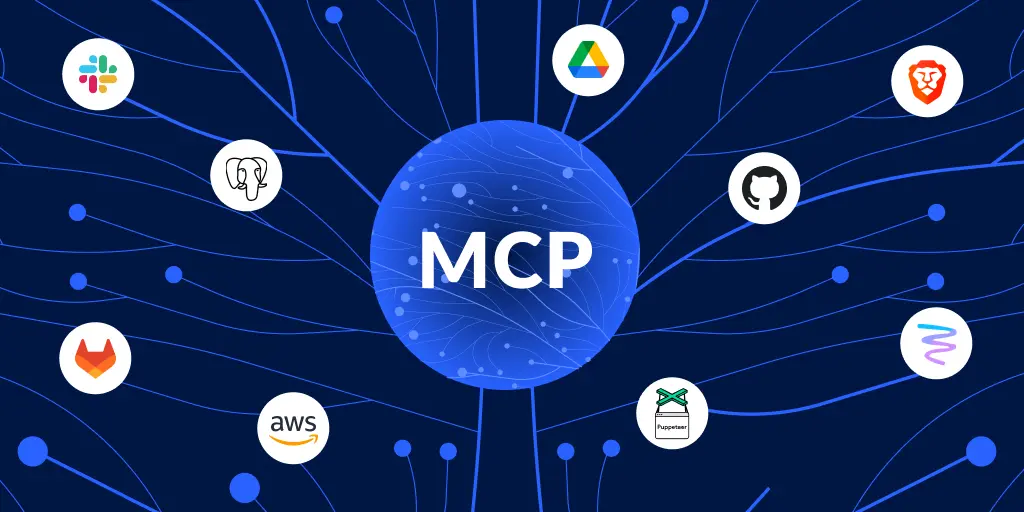
Getting Started with MCP
The term MCP can mean different things depending on context, but in today’s tech landscape it most…
Topic: Tech
@alxlynnhd

How to Use Old RAM in Light of Recent Price Hikes
With RAM prices climbing again due to supply chain issues, increased demand, and new-generation…
Topic: Tech
@alxlynnhd
How to write scalable and excellent code
Writing code that works is easy. Writing scalable, maintainable, and excellent code is the real…
Topic: Tech
@alxlynnhd

Why do Japanese speakers use "www" or "ww" instead of "lol" or "lmao"?
If you've spent any time chatting with Japanese speakers online, watching Japanese livestreams, or…
Topic: Tech