How to make Japanese kimchi at home
Posted: Jan. 21, 2026
Kimchi is most commonly associated with Korean cuisine, but in Japan it has its own unique interpretation known as kimuchi. Japanese-style kimchi tends to be milder, slightly sweeter, and less pungent, making it a great introduction for those new to fermented foods. In this guide, you’ll learn how to make a simple, authentic Japanese kimchi at home with ingredients that are easy to find.
What Makes Japanese Kimchi Different?
While Korean kimchi often has a strong garlic aroma and intense chili heat, Japanese kimchi typically features:
- A gentler level of spiciness
- A touch of sweetness from apple or pear
- Less fermented, fresher flavors
- Sometimes a hint of soy sauce or mirin
This makes it perfect as a side dish, ramen topping, or addition to fried rice.
Ingredients
Main Vegetables
- 1 medium napa cabbage (about 1 kg)
- 1 tablespoon salt (for salting cabbage)
Kimchi Paste
- 2 tablespoons gochugaru (Korean chili flakes)
- 2 cloves garlic, grated
- 1 teaspoon grated ginger
- 2 tablespoons soy sauce
- 1 tablespoon sugar
- 1 tablespoon mirin (optional, for mild sweetness)
- 2 tablespoons grated apple or pear
- 1 tablespoon rice vinegar or mild sake
- 2 tablespoons water
Note: Japanese kimchi usually avoids fish sauce, but you can add 1 teaspoon if you prefer a deeper umami flavor.
Step 1. Prepare the Cabbage
- Cut the napa cabbage lengthwise into quarters.
- Remove the core and chop into bite-sized pieces.
- Place the cabbage in a large bowl and sprinkle evenly with salt.
- Massage gently and let sit for 30–40 minutes, until softened.
- Rinse the cabbage lightly and drain well.
Step 2. Make the Kimchi Paste
In a small bowl, combine:
- Gochugaru
- Garlic
- Ginger
- Soy sauce
- Sugar
- Mirin
- Grated apple or pear
- Rice vinegar
- Water
Mix until a smooth, thick paste forms.
Step 3. Season the Cabbage
- Add the drained cabbage to a clean mixing bowl.
- Pour the kimchi paste over the cabbage.
- Using clean hands or gloves, gently toss until every piece is coated.
Step 4. Ferment Lightly
Japanese kimchi is often enjoyed fresh.
- Transfer the kimchi to a clean glass container.
- Press down gently to remove air pockets.
- Close the lid loosely and leave at room temperature for 6–12 hours.
- Then refrigerate.
It’s ready to eat immediately, but flavor improves after 1–2 days in the fridge.
How to Store
- Keep refrigerated at all times.
- Best eaten within 1–2 weeks for a fresh, Japanese-style taste.
- As it ages, it will become more sour and closer to Korean-style kimchi.
Serving Ideas
- As a side dish with rice and miso soup
- On top of ramen or udon
- Mixed into fried rice or noodles
- In sandwiches or wraps for extra kick
Making Japanese kimchi at home is simple, quick, and highly customizable. You can adjust the sweetness, saltiness, and spice to match your personal taste. Once you try homemade kimuchi, store-bought versions may never taste the same again. Happy fermenting!
Read more!
 @alxlynnhd

We Tried Bachan's Japanese Style BBQ So You Don't Have To.
If you’ve walked through Costco, Target, or scrolled food TikTok, you’ve probably seen the bright…
Topic: Food
@alxlynnhd
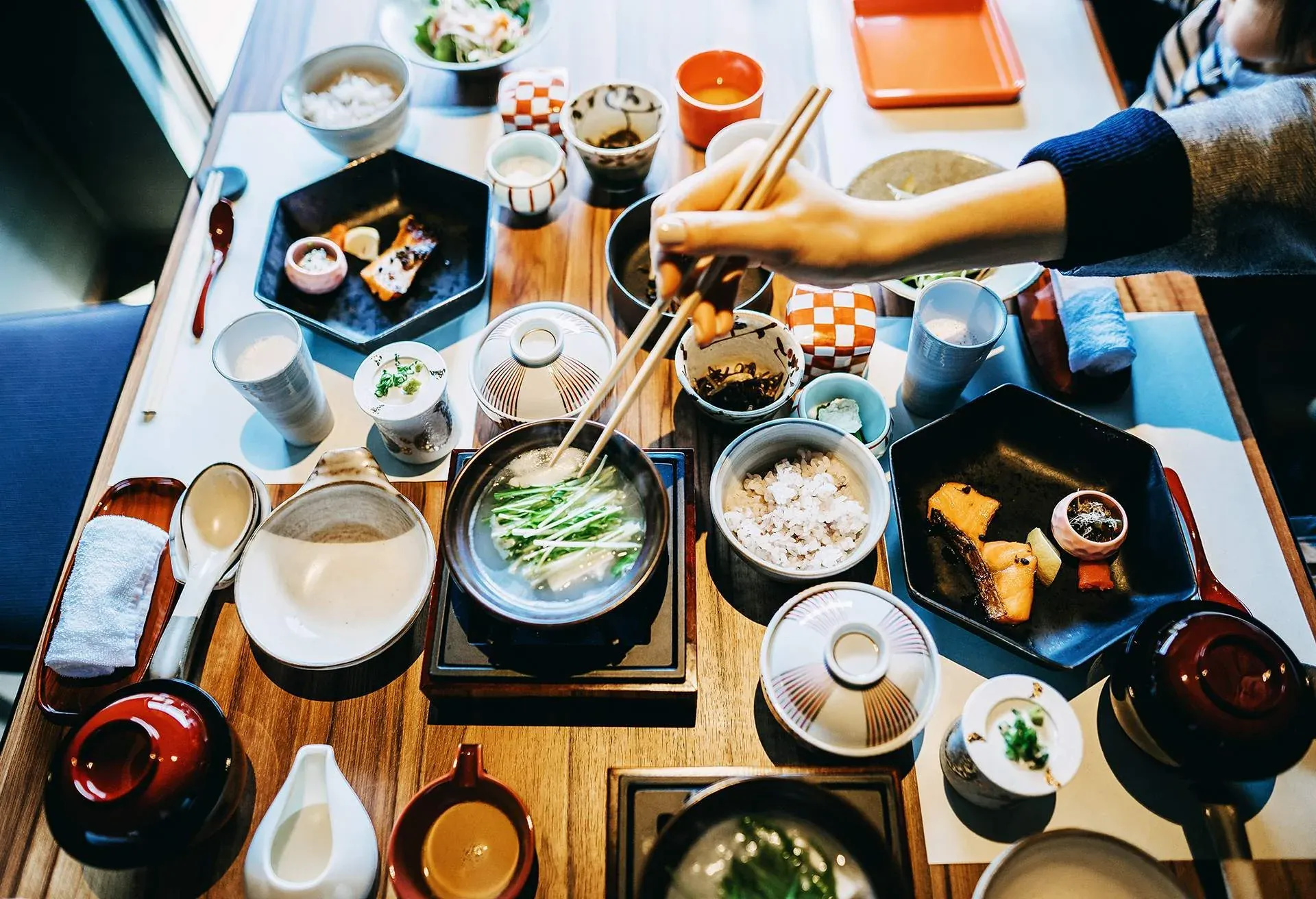
The Real Reason Why Japanese Food Is So Delicious
When people think of Japanese food, images of beautifully plated sushi, comforting bowls of ramen…
Topic: Food
@alxlynnhd

Japanese Convenience Store Foods You Absolutely Must Try
When people think of convenience store food, they often imagine bland snacks and microwaved meals…
Topic: Food
@alxlynnhd
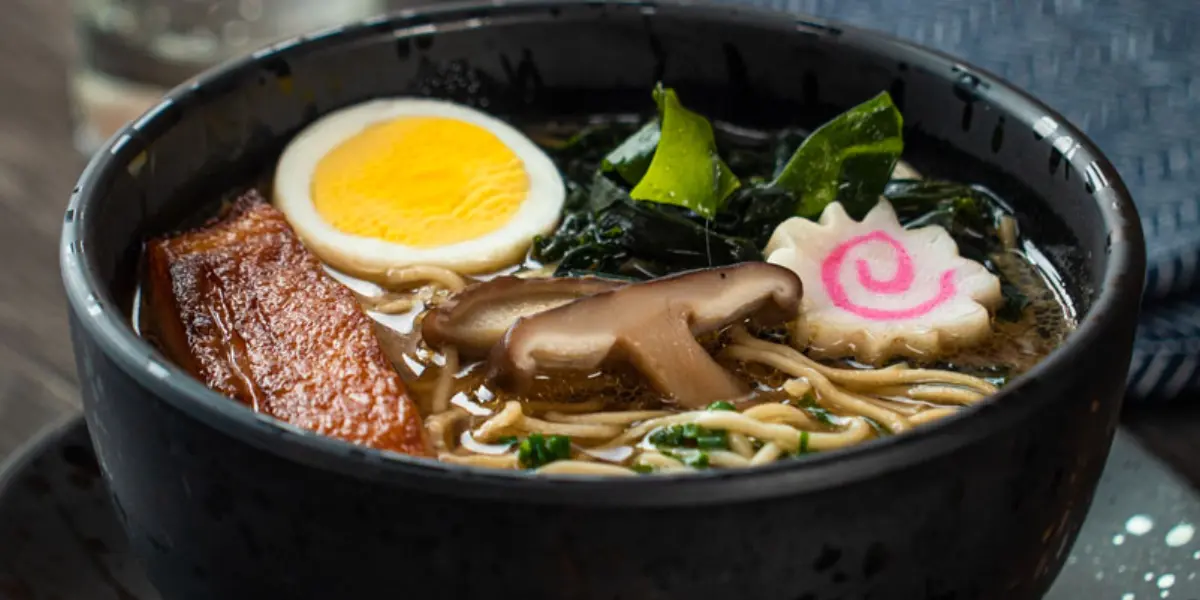
Tips for Adding Even More Umami to Your Ramen
Ramen is already famous for its deep, savory flavors, but sometimes you want to take things to the…
Topic: Food
@alxlynnhd
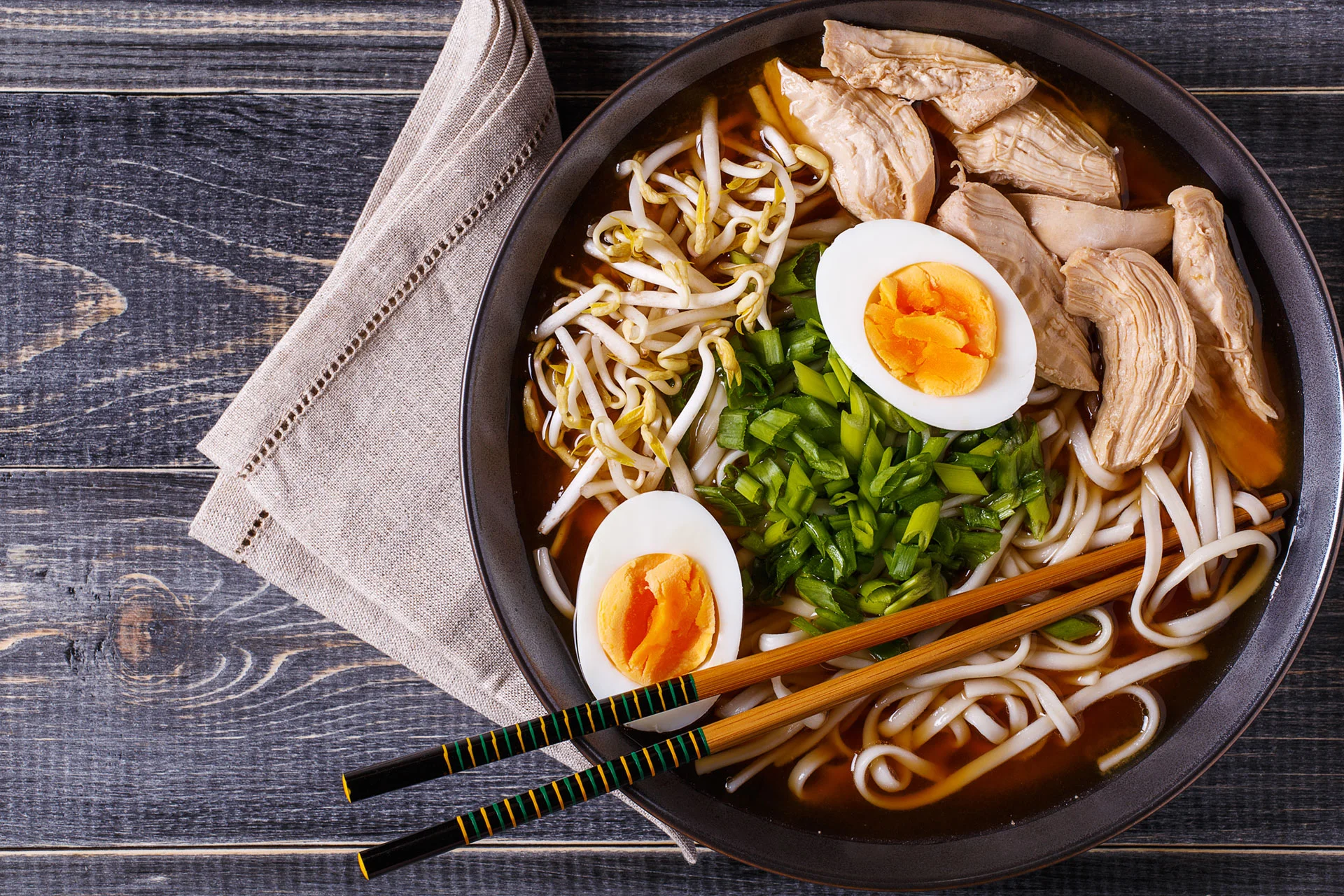
Let's learn how to make authentic Japanese cuisine.
Japanese cuisine is celebrated worldwide for its elegance, simplicity, and deep respect for natural…
Topic: Food
@alxlynnhd
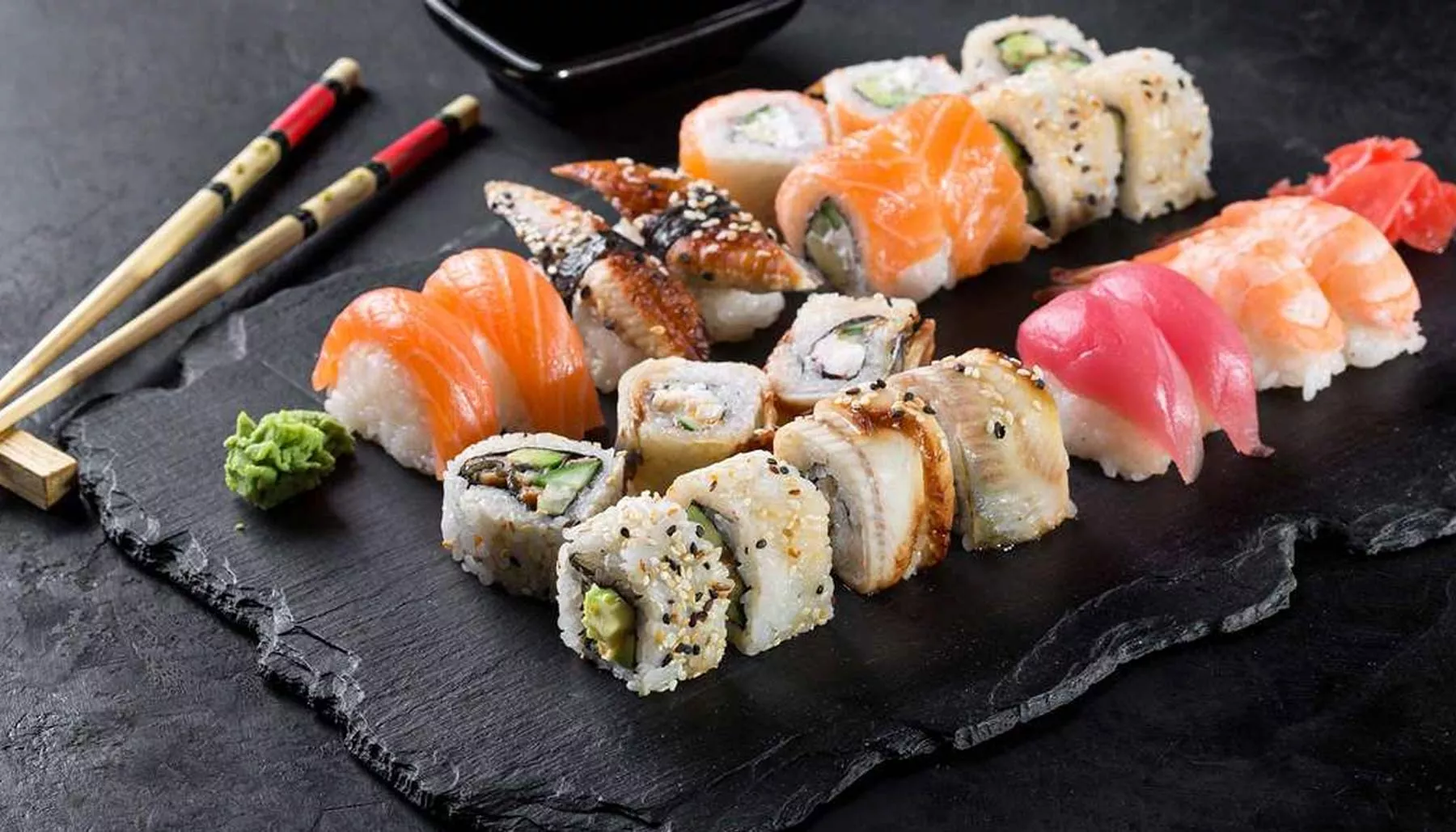
How to Properly Make and Store Sushi
Sushi is a delicate and flavorful dish that combines fresh ingredients, precise techniques, and…
Topic: Food