What does J-fashion mean for the United States?
Posted: Jan. 03, 2026
Japanese fashion—often shortened to J-fashion—is more than a collection of trends or aesthetics. It is a cultural language shaped by history, youth movements, craftsmanship, and resistance to mainstream norms. As J-fashion continues to influence global style, its presence in the United States raises an important question: what does J-fashion mean in an American context?
Understanding J-Fashion Beyond the Aesthetic
In Japan, fashion has long served as a form of self-expression that challenges social expectations. From the streets of Harajuku to high-end designers in Tokyo, J-fashion emphasizes individuality, layering, reinterpretation, and storytelling through clothing.
Unlike Western fashion cycles that often prioritize mass appeal and seasonal trends, J-fashion communities frequently value:
- Personal identity over conformity
- Subcultures over mainstream acceptance
- Craft and detail over fast consumption
This philosophy is what makes J-fashion resonate far beyond Japan’s borders.
J-Fashion’s Arrival in the United States
J-fashion entered the U.S. largely through anime, manga, music, and internet communities in the late 1990s and early 2000s. Styles like Lolita, Visual Kei, Decora, Gyaru, and Techwear found homes in niche American spaces—conventions, online forums, and independent fashion scenes.
Over time, what was once considered “costume-like” or fringe began to influence:
- Streetwear silhouettes
- Gender-neutral fashion
- DIY and upcycling movements
- Alternative fashion communities
Today, American designers and consumers alike borrow from Japanese fashion principles, often without realizing the source.
What J-Fashion Represents in American Culture
- A Challenge to Fashion Norms
In the U.S., fashion is often tied to practicality, trends, or social signaling. J-fashion introduces the idea that clothing does not need to be “flattering,” minimal, or trend-aligned to be meaningful. It encourages dressing for self-expression rather than validation.
- Safe Space for Identity Exploration
Many J-fashion subcultures embrace androgyny, maximalism, and emotional storytelling. For Americans—especially younger generations—this creates space to explore gender, creativity, and identity without rigid boundaries.
- Community Over Commercialization
J-fashion in the U.S. often exists through meetups, zines, thrifted pieces, handmade accessories, and online groups. This grassroots approach contrasts with the highly commercialized nature of American fashion and offers an alternative model centered on community.
- Respect for Craft and Detail
Japanese fashion places strong emphasis on fabric quality, tailoring, and intentional design. As sustainability becomes more important in the U.S., J-fashion’s slower, more thoughtful approach feels increasingly relevant.
Cultural Responsibility and Misunderstanding
While J-fashion’s influence in the U.S. is largely positive, it also raises questions about cultural context. Stripping styles of their origins or reducing them to aesthetics can lead to misunderstanding.
Engaging with J-fashion responsibly means:
- Learning about its history and subcultures
- Supporting Japanese designers and brands when possible
- Listening to voices within the community
J-fashion is not a costume—it is a living cultural expression.
The Future of J-Fashion in the United States
As American fashion continues to fragment into micro-communities and personal styles, J-fashion offers a roadmap for expression without permission. Its influence is less about copying silhouettes and more about adopting a mindset: fashion as identity, art, and resistance.
In that sense, J-fashion in the United States is not just a trend—it is a quiet shift toward authenticity.
J-fashion reminds us that what we wear can be a statement of who we are, not who we are expected to be.
Read more!
 @alxlynnhd
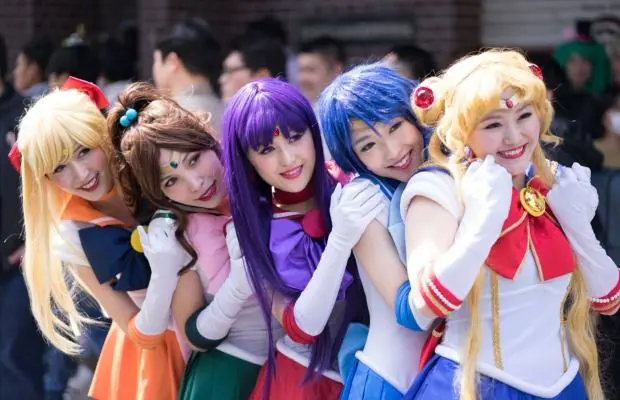
Cosplay in Japan: Interview with Kentaro
This post was made possible with the cooperation of Kentaro. You can follow them online here Cosplay…
Topic: Fashion
@alxlynnhd
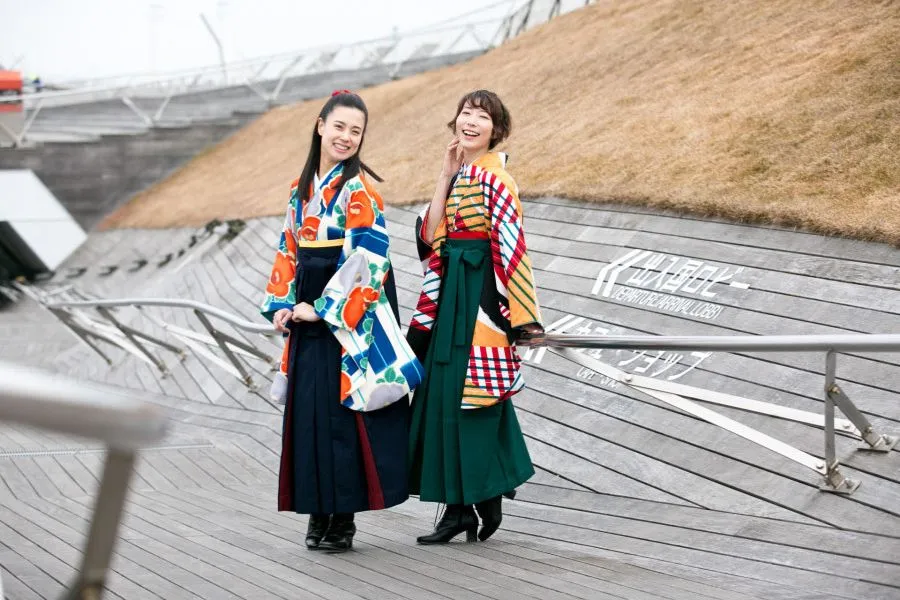
Hidden secrets of Japanese fashion
Japanese fashion is world-famous for its creativity, craftsmanship, and fearless self-expression…
Topic: Fashion
@alxlynnhd
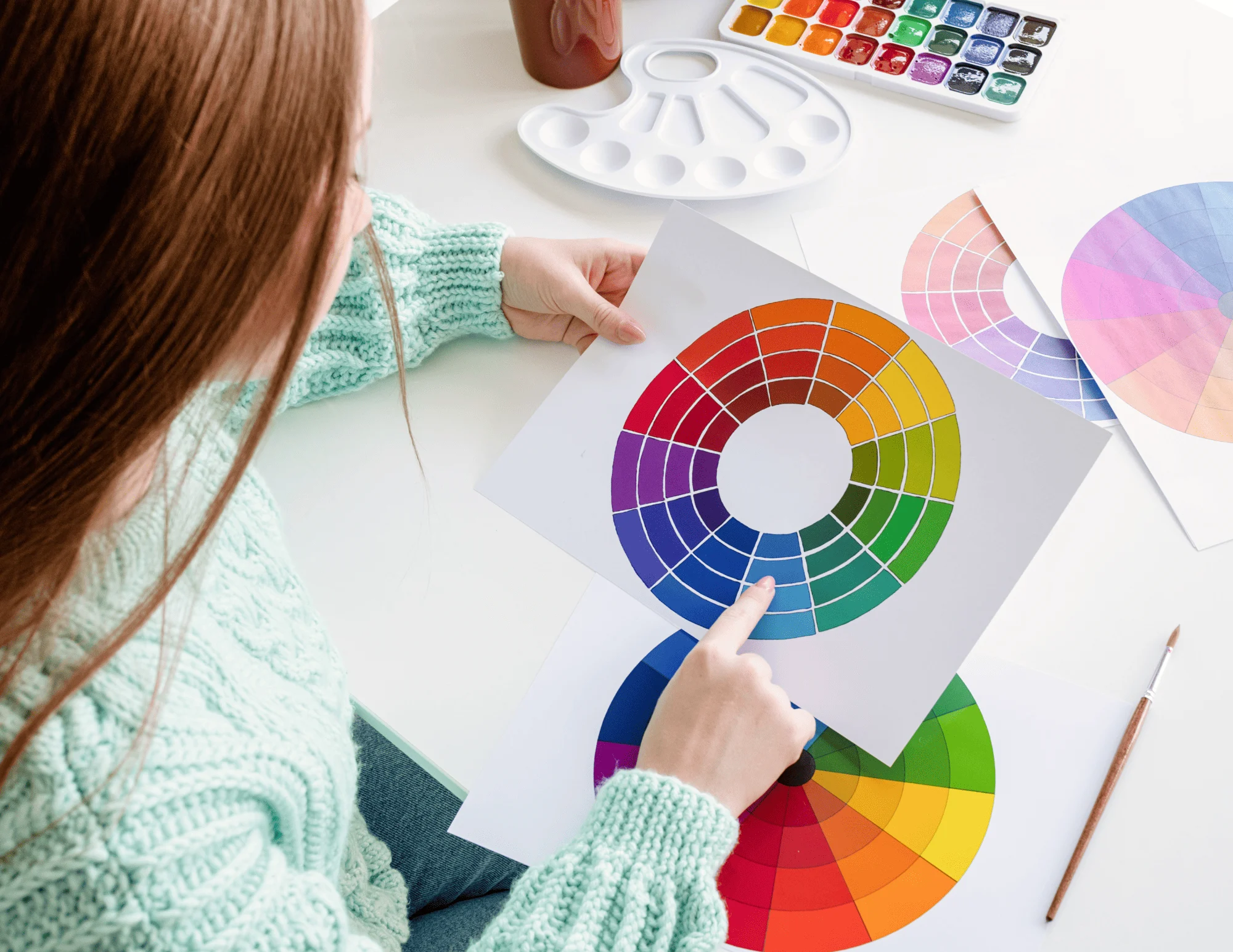
How can color theory be used to help with choosing clothes?
Choosing what to wear can feel overwhelming, especially when you’re trying to balance personal style…
Topic: Fashion
@alxlynnhd
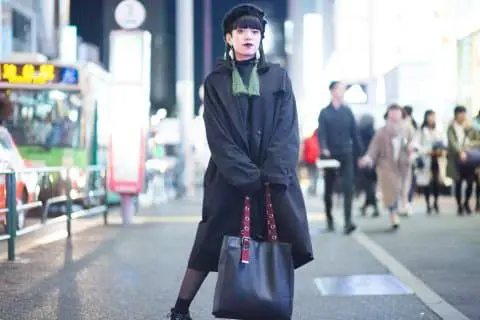
Places where you can buy J-fashion
J-fashion (Japanese fashion) is a vibrant umbrella of styles that range from cute and playful to…
Topic: Fashion