How to learn Japanese using movies
Posted: Jan. 21, 2026
Learning Japanese doesn’t have to mean endless textbook drills and flashcards. One of the most enjoyable and surprisingly effective ways to build real-world Japanese skills is by using movies. Films expose you to natural speech, cultural context, and authentic expressions that textbooks often miss. Here’s a practical guide to turning Japanese movies into a powerful learning tool.
Why Movies Are So Effective for Learning Japanese
Japanese movies help you:
- Hear natural speech: Real pacing, intonation, slang, and casual forms.
- Understand context: Visual cues make meaning clearer, even when vocabulary is unfamiliar.
- Learn culture naturally: Manners, humor, relationships, and social norms appear organically.
- Stay motivated: It’s much easier to study when you’re entertained.
Step 1: Choose the Right Movies
Not all movies are equally useful for learners.
Good choices for beginners and intermediates:
- Slice-of-life films (everyday conversations)
- Romantic comedies and dramas
- Studio Ghibli movies (clear speech, simpler vocabulary)
- Family-friendly movies
Movies to avoid at first:
- Heavy historical dramas (archaic language)
- Fast-paced crime thrillers
- Movies full of dialect or heavy slang
Start with films where dialogue is clear and situations are familiar.
Step 2: Use Subtitles Strategically
Subtitles are a tool — not a crutch.
Try this progression:
-
First watch: Japanese audio + English subtitles
Focus on understanding the story. -
Second watch: Japanese audio + Japanese subtitles
Match sounds to written words. -
Third watch: Japanese audio + no subtitles
Test your listening comprehension.
If Japanese subtitles feel overwhelming at first, that’s normal. Even recognizing a few words is progress.
Step 3: Don’t Try to Understand Everything
A common mistake is pausing every sentence to look up words.
Instead:
- Focus on overall meaning, not perfection.
- Let unknown words pass unless they repeat often.
- Pay attention to frequent phrases, not rare vocabulary.
Language learning works best when you understand most of what’s happening, not all of it.
Step 4: Actively Learn from Scenes
Simple techniques:
- Repeat short lines out loud to practice pronunciation.
- Write down useful phrases, such as greetings or common reactions.
- Shadow the dialogue: Play a line and repeat it immediately after.
Example phrases you’ll hear often:
- すごい!(Sugoi!) — Amazing!
- 本当?(Hontō?) — Really?
- 大丈夫?(Daijōbu?) — Are you okay?
Step 5: Rewatch Your Favorite Movies
Rewatching is where the real learning happens.
With each viewing, you’ll:
- Catch words you missed before
- Understand grammar more clearly
- Recognize patterns in speech
A movie you’ve watched three or four times becomes a mini language course.
Step 6: Combine Movies with Other Study
Movies work best when paired with:
- Basic grammar study
- Vocabulary lists or flashcards
- Listening practice outside of movies
Think of movies as immersion practice, not your only study method.
Recommended Japanese Movies for Learners
Here are a few learner-friendly options:
- My Neighbor Totoro (となりのトトロ)
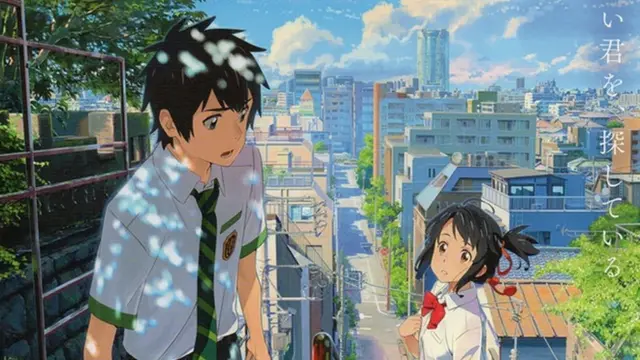
- Your Name (君の名は)
- Shoplifters (万引き家族)
- We Made a Beautiful Bouquet (花束みたいな恋をした)
These films use relatively natural, modern Japanese. Learning Japanese through movies is not only effective — it’s fun.
You’ll improve:
- Listening comprehension
- Vocabulary in context
- Cultural understanding
- Motivation to keep studying
So grab some popcorn, turn on a Japanese film, and let your study session feel like entertainment.
Read more!
 @alxlynnhd
Why We Love Japanese Television, and Why You Should Too
Japanese television is a world of its own—vibrant, emotional, imaginative, and often wonderfully…
Topic: Entertainment
@alxlynnhd
Anime and Japanese dramas: Which is better?
When it comes to Japanese entertainment, two powerful storytelling formats dominate global audiences…
Topic: Entertainment